Introduction
The business world is shifting rapidly, and with it, ERP systems are transforming into smarter, faster, and more automated platforms. That’s why so many people are asking: What is the future of enterprise resource planning systems? Whether you’re a business owner, student, or growing tech professional, understanding this evolution will help you stay ahead of digital transformation.
This blog breaks down the most important ERP changes in simple terms, helping you understand what’s coming and how to prepare. For expert guidance on ERP upgrades or implementations, you can book a consultation here:
👉 https://appt.link/meet-with-chetan-chitriv-0E0czwAl/web-conference
Automation and Intelligence in ERP
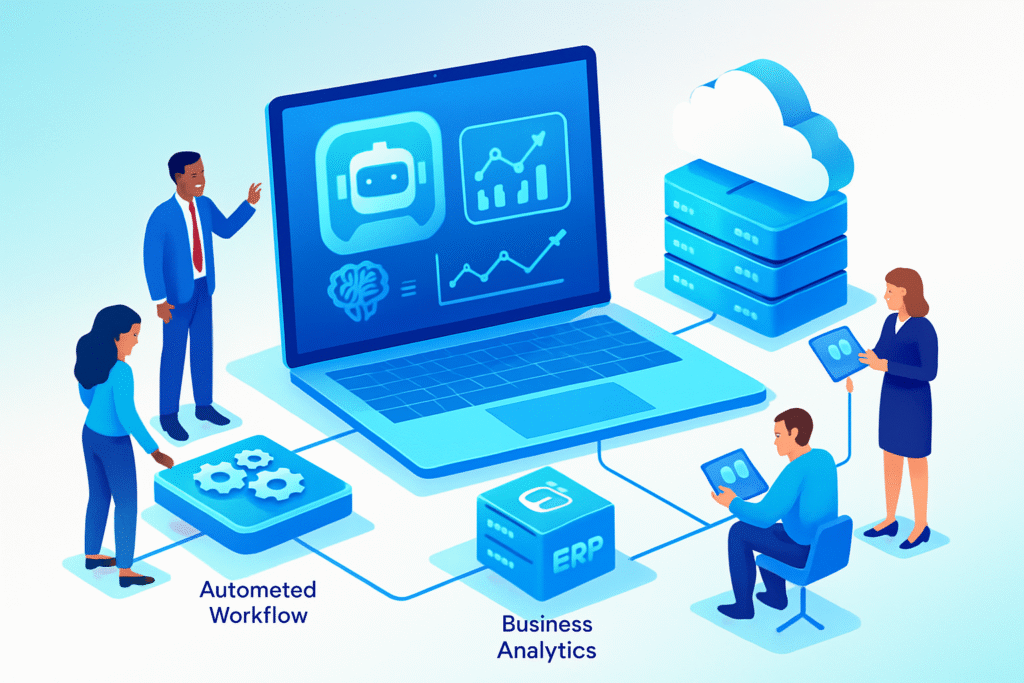
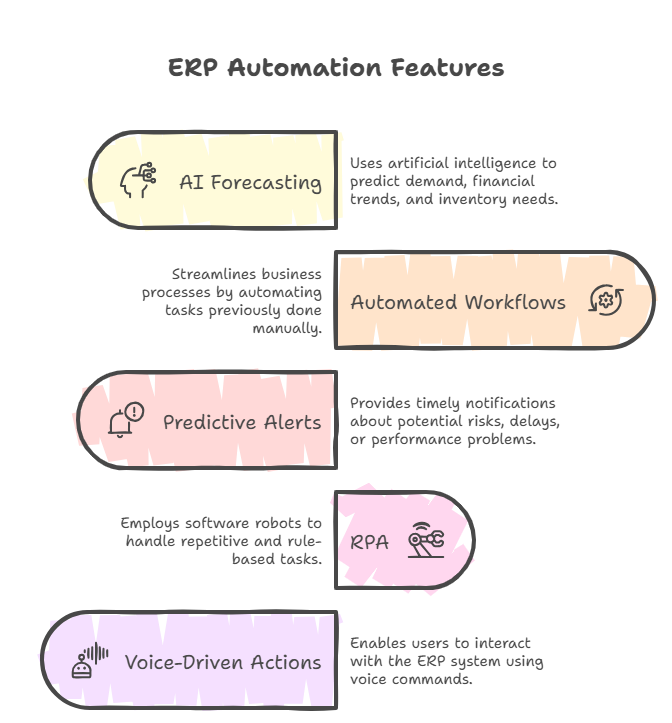
The future of enterprise resource planning systems is heavily driven by AI, predictive analytics, and workflow automation. Modern ERPs are shifting from passive data storage to intelligent systems that analyze data, automate tasks, and provide real-time insights into business performance.
Key advancements include:
- AI-driven forecasting for demand, finance, and inventory
- Automated workflows that eliminate manual tasks
- Predictive alerts for risks, delays, or performance issues
- RPA (Robotic Process Automation) for repetitive processes
- Natural-language or voice-driven ERP actions
These capabilities help businesses reduce errors, speed up operations, and make decisions faster. As companies embrace automation, ERPs will become powerful engines for productivity and operational intelligence.
Cloud Adoption and Modern ERP Architecture
One of the strongest ERP future trends is the widespread shift toward cloud-based, flexible, and modular architectures. Cloud ERPs offer faster deployment, easier updates, cross-platform access, and better scalability compared to older on-premise systems.
Core advantages:
- Lower infrastructure and maintenance costs
- Real-time collaboration across locations
- Faster customization and feature updates
- Enhanced data backups and security
- Seamless mobile access
Cloud ERP makes operations smoother and more adaptable, especially for businesses managing multiple teams or locations. With cloud becoming the standard, organizations gain unmatched flexibility and the ability to scale without heavy IT investments.
Preparing for Modern ERP
Organizations must be strategic when planning for the future of ERP systems, ensuring their teams, technology, and processes are ready for next-generation solutions. This preparation helps businesses avoid disruptions, reduce costs, and improve long-term efficiency.
Step 1: Analyze System Gaps
Look for limitations in automation, reporting, integrations, or speed. Understanding the gaps helps you prioritize the right ERP capabilities and avoid repeating old issues.
Step 2: Select the Right ERP Model
Choose between cloud, hybrid, or on-prem based on your security, compliance, mobility, and scalability needs. The ideal model supports your growth and reduces long-term overhead.
Step 3: Prioritize AI and Real-Time Analytics
Ensure your new ERP includes predictive analytics, smart dashboards, and automated workflows. These features strengthen decision-making and improve operational visibility.
Step 4: Integrate Mobile-First Access
A mobile-friendly ERP ensures teams can work efficiently anytime, anywhere. This boosts productivity and enables quicker approvals, reporting, and communication.
Step 5: Plan for Seamless Integrations
Your ERP should work smoothly with CRM, HRMS, finance systems, inventory tools, or custom applications. Strong integrations reduce manual work and improve business continuity.
Step 6: Focus on User Training and Adoption
Proper training ensures employees use the system confidently and effectively. A well-trained team maximizes ROI and ensures smoother operational transitions.
FAQ
1. Why is modernizing ERP important?
Modernizing ensures better automation, mobility, real-time visibility, and faster decision-making, all essential for staying competitive.
2. Are cloud ERP systems more secure?
Yes. Cloud ERP providers implement advanced encryption, automated monitoring, and frequent security updates.
3. Is AI going to replace traditional ERP?
Not replace—but enhance it. AI adds intelligence, prediction, and automation on top of the existing ERP structure.
Conclusion
The future of enterprise resource planning systems is all about intelligence, automation, cloud adoption, and seamless integrations. Businesses that embrace modern ERP tools will unlock greater efficiency, smarter decisions, and stronger digital transformation.
If you’re planning an upgrade or choosing a new ERP, book a consultation here:
👉 https://appt.link/meet-with-chetan-chitriv-0E0czwAl/web-conference
Recommended Websites
- https://avestantechnologies.com/
- https://www.talentrisetechnokrate.com/
- https://technokrate.com/
- https://www.softwavetechify.com/
- https://chetanchitriv.in/
Here, check this out —
Creating an Enterprise-Level Data Analytics Dashboard
https://medium.com/@marketingtalentrisetechnokrate/creating-an-enterprise-level-data-analytics-dashboard-e239de9f3aaf